When the world shut down in 2020, many of us found ourselves searching for new ways to stay active, maintain our sanity, and find joy in the simplest things. For me, that unexpected salvation came in the form of eight polyurethane wheels strapped to my feet. What started as a desperate attempt to get outside during lockdown quickly transformed into something much more profound: therapy on eight wheels.
Finding Freedom When Everything Closed
Remember those early pandemic days? Parks were eerily empty, gyms were shuttered, and we all craved some form of escape from our increasingly blurry work-from-home lives. I had roller skated a handful of times as a kid—nothing serious, just the occasional birthday party at the local rink. I could skate forward cross over a little and turn around to attempt to go backwards.
But with limited options and a desperate need to feel something beyond the walls of my home, Off I go to Temples skate because it was $2 Tuesdays and that was right in line with my Mom on a Budget activities.
“There’s something almost meditative about rolling forward,” explains Dr. Melissa Chen, a sports psychologist. “The combination of physical exertion, balance, and the need to stay present creates a perfect storm for mindfulness.”
And she’s right. When you’re focused on not falling, it’s nearly impossible to stress about work deadlines or family drama.
The Unexpected Mental Health Benefits
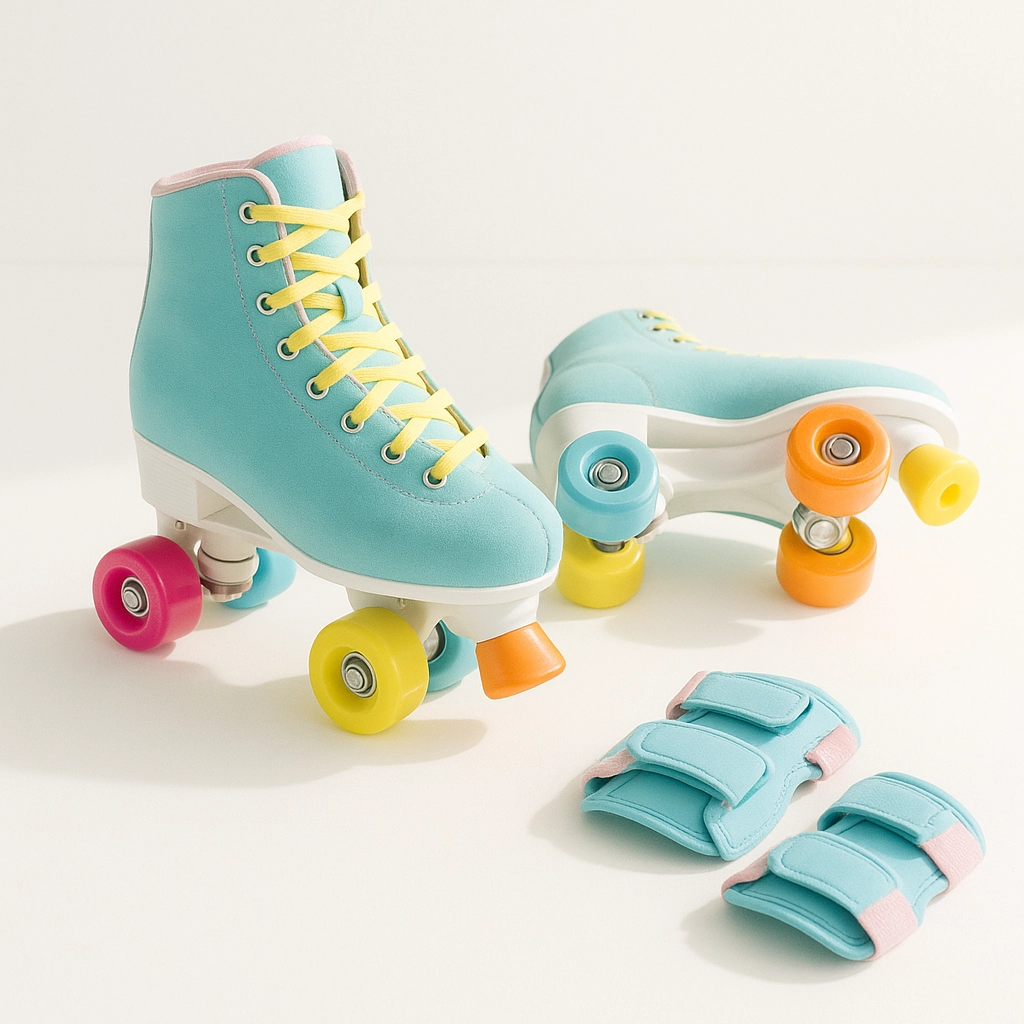
The physical benefits of roller skating are obvious—improved balance, stronger legs, and serious core strength (trust me, your abs will remind you they exist after your first skate session). But it’s the mental health boost that truly transformed roller skating into my therapy.
Research shows that activities requiring balance and coordination create new neural pathways in the brain. Each time we challenge ourselves to learn a new skating skill, our brains forge connections that translate to improved cognitive function off-skates too.
But beyond the science, there’s something deeply therapeutic about the rhythm of skating—the sound of wheels on pavement, the feeling of wind on your face, and the subtle shifts in your body as you navigate the world on eight wheels.
“Roller skating puts you in a flow state,” says urban wellness expert Jamie Saunders. “You’re completely immersed in the present moment, which is the exact opposite of anxiety, which keeps you stuck in the future, or depression, which keeps you trapped in the past.”
During my most stressful periods—balancing motherhood, managing marketing clients, and navigating life’s inevitable chaos—I found that even 30 minutes on skates could reset my mental state more effectively than an hour of traditional therapy (though I’m a firm believer in both).
From Sales Director to Skate Enthusiast: Transferable Skills
Before I fully embraced my marketing career and long before roller skates re-entered my life, I served as a Sales Director with Mary Kay Cosmetics. That experience built the foundation of my organizational skills, teaching me discipline, goal-setting, and how to build authentic connections with people.
Interestingly, those same skills transferred perfectly to my skating journey. The discipline required to build a Mary Kay business helped me stick with skating through the frustrating beginner phase. The goal-setting techniques I used with my sales team now help me track my skating progress—from that first successful transition to the backward skating I’m still perfecting.
And those people skills? They’ve connected me with an incredible community of fellow skaters who have become friends, mentors, and sometimes therapists in their own right.
Finding Balance Through Motion
The irony isn’t lost on me that an activity requiring literal balance has helped me find figurative balance in my life. As a mom, former law enforcement officer, and marketing professional, juggling responsibilities often feels like spinning plates while standing on one foot.
“Physical balance activities can improve our mental balancing abilities,” explains neuroscientist Dr. Kevin Rodriguez. “When we practice finding equilibrium on skates, we’re also training our brains to better handle competing priorities and stressors.”
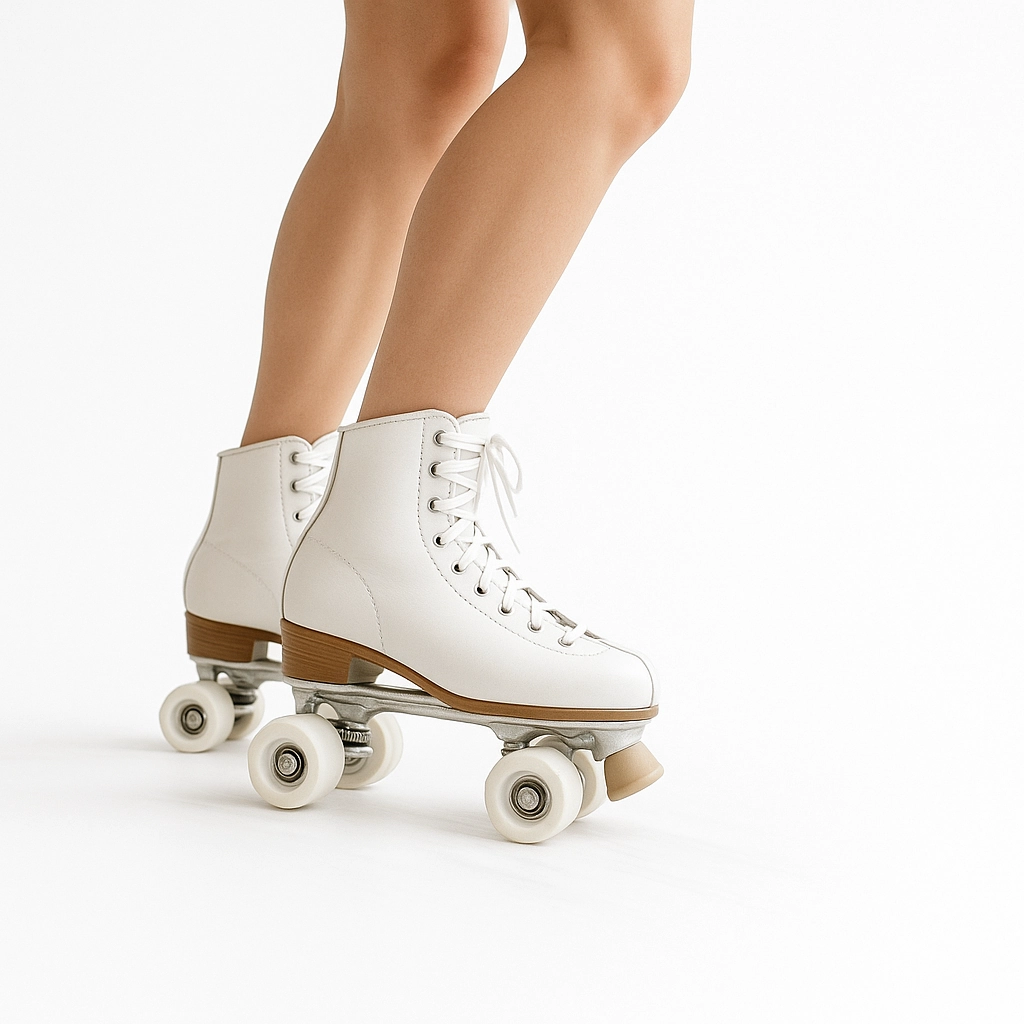
The Skating Community: Unexpected Support System
One of the most surprising therapeutic aspects of roller skating has been the community. During a time when many of us felt isolated, skating connected me with people I would never have met otherwise.
From the retired teacher who skates daily at my local park to the teenage trick skaters who kindly offer tips when they see me struggling with a new move, the skating community spans generations, backgrounds, and skill levels—all united by eight wheels and the freedom they provide.
Social media amplified this connection. Instagram and TikTok became virtual skating communities during lockdown, with hashtags like #RollerSkate and #SkateDance creating spaces where beginners could learn from pros, and everyone could celebrate small victories together.
“The roller skating community is uniquely supportive,” notes Catherine Cooper, founder of Skate Therapy, a program using roller skating to help teens with anxiety. “There’s very little judgment and an overwhelming sense that everyone’s journey is personal. It’s rare to find physical activities with such a positive culture.”
From Law Enforcement to Leading with Empathy
My background in law enforcement taught me about protection and service to the community. Now, with my skates on, I’ve found a different way to embody those values—organizing skating events for beginners, creating safe spaces for women to learn, and advocating for more skating-friendly public spaces in our community.
The transition from protecting communities in uniform to building them on wheels wasn’t as strange as it might seem. Both require awareness, care for others, and the ability to stay calm under pressure (especially when you’re flying downhill faster than you intended).
Making It Sustainable: Roller Skating as Lifelong Therapy
Like any therapeutic practice, consistency is key. What makes roller skating stick when other fitness trends fade? For me, it’s the joy factor. Unlike the treadmill that eventually feels like a hamster wheel, skating never loses its element of play.
I’ve integrated skating into my life in sustainable ways:
- Morning skates replace my previous coffee-and-scroll routine
- Family skate nights give us screen-free connection time
- Skating meetups have replaced some happy hours, offering social time without the hangover
- Quick lunchtime rolls clear my head between Zoom meetings
“The activities that best support our mental health are the ones we actually want to do,” says wellness coach Tara Jensen. “The moment exercise feels purely like obligation, we lose the mental health benefits. Roller skating works because it’s fun first, exercise second.”
Getting Started: Your Eight-Wheel Therapy Journey
If you’re inspired to try roller skating as therapy, here’s my quick starter guide:
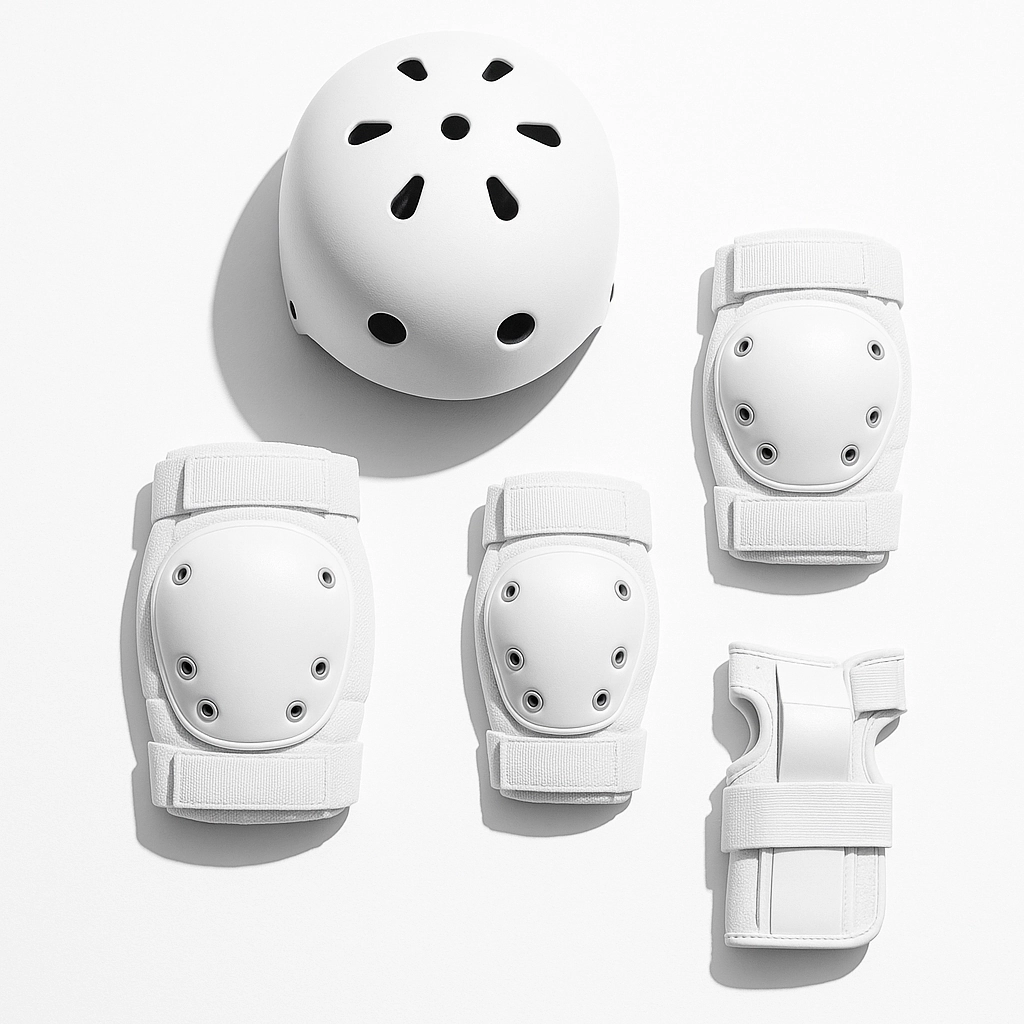
- Gear up properly: Invest in protective gear—helmet, wrist guards, knee pads, and elbow pads are non-negotiable for beginners.
- Start small: Empty parking lots, tennis courts, or your driveway are perfect learning grounds before you hit trails or rinks.
- Find your people: Look for local skating groups on Facebook or Meetup—most have beginner-friendly sessions.
- Embrace falling: It’s not if, but when. Learning to fall safely is your first skill.
- Celebrate tiny wins: The first time you skate without grabbing a wall deserves as much celebration as landing a complicated trick.
- Document your journey: Take videos of your progress—you’ll be amazed how far you come in just weeks.
- Be patient: Like any form of therapy, results aren’t instant, but they are lasting.
Rolling Forward: From Pandemic Pastime to Lifelong Practice
What began as a COVID coping mechanism has evolved into an essential part of my well-being routine. On days when my mind is racing with marketing deadlines, family responsibilities, and the general chaos of modern life, I know that strapping on my skates will reset my system more effectively than scrolling social media or stress-eating cookies (though I still occasionally do both).
Roller skating reminds me that sometimes moving forward requires embracing a little wobble, that falling doesn’t equal failure, and that the best way to navigate life’s uneven surfaces is to stay flexible in the knees and keep your eyes focused ahead.
Whether you’re seeking a new form of exercise, a mental health boost, or simply a reason to play again, I invite you to consider therapy on eight wheels. Your mind, body, and inner child will thank you.
Ready to roll into your own eight-wheel therapy journey? Share your experiences or questions in the comments below, or reach out through our socials. Your next great mental health breakthrough might be just a roll away.
 Momentum with a Crown
Leave a comment